
Is this deal worth a call?
Ask Trent,your new CRE acquisitions analyst.
Every listing screened and scored against your buy box. Only the ones worth a call reach your desk.
- 1,000+
- listings scored
- 40+
- states covered
- Any
- asset class, customized
- Daily
- new listings screened
Watch Trent screen a deal
One minute on what Trent does and how it screens a deal.
Try it: click a deal to see how Trent scored it.
Real listings, details anonymized
Single-tenant industrial, Memphis area, TN
Red flags
- No lease or offering memo to confirm who pays expenses
- One tenant pays all of the income
What you'd need to believe
The tenant stays through 2033. It paid for its own buildout, and its revenue is up 3.8% a year.
Tenant risk
Moderate riskSingle tenant, a publicly traded light manufacturer; corporate guarantee not yet confirmed.
The tenant is financially healthy and has sunk its own money into the site, which makes it likely to stay. The rating is held at Moderate because the lease and guarantee are unseen and one tenant pays all of the rent.
- Credit / guaranteeUnknown
- Public company, but the guarantor on the lease is unconfirmed.
- Financial strengthStrong
- Revenue up 3.8% year over year in its latest earnings release.
- Mission-critical locationStrong
- Tenant paid for its own buildout.
- Industry essentialityAdequate
- Light manufacturing; cyclical but not discretionary.
- Renewal likelihoodStrong
- Sunk investment and 6.6 years remaining.
Executive summary
A fully leased 89,715 SF flex building with one tenant through 2033, offered at an 8.7% cap rate. The yield is strong for the Memphis market and the tenant has invested in the space. The score is held back by what we cannot see yet: there is no lease or offering memo, so who pays taxes, insurance, and repairs is unconfirmed, and one tenant pays all of the rent.
SWOT analysis
Strengths
- 8.7% cap rate, 387 bps over the 10-year Treasury
- Leased through 2033
- Tenant revenue up 3.8% a year
Weaknesses
- One tenant pays all of the income
- No lease or offering memo yet
Opportunities
- Submarket vacancy fell from 7.5% to 5.6%, supporting re-leasing
- Rent likely below market by the 2033 expiry
Threats
- A move or downsizing would leave the building fully vacant
- Rate moves could compress exit pricing
Built from the listing and web research. No offering memo.
68-pad community, north Georgia
Red flags
- Lot rents were raised twice in 3 years, so the pro forma's room to raise is thinner than it looks
- The owner maintains the private roads
What you'd need to believe
Occupancy holds above 90% while lot rents catch up to market.
Executive summary
A well-occupied 68-pad community where every home is owned by its resident, served by city water and sewer. That combination keeps operating costs and risk low, which is why it scores Strong. The main question is how much rent growth is left: lot rents have already been raised twice in three years.
SWOT analysis
Strengths
- 92% occupied
- No park-owned homes to manage
- Public utilities, no well or septic risk
Weaknesses
- Lot rents already raised twice in three years
- Private roads are the owner's cost
Opportunities
- Fill the 5 vacant pads with new homes
- Bill back utilities if not already done
Threats
- Resident pushback on further increases
- Local rules on manufactured housing can tighten
Built from the listing and web research. No offering memo.
124-unit garden apartments, Tulsa, OK
Red flags
- Original plumbing, so budget for a repipe
- Two new complexes are delivering nearby next year
What you'd need to believe
Rents can rise to market after light unit upgrades, before the new supply lands.
Executive summary
A 124-unit property from 1984, 94% occupied, with rents about 8% under the submarket. The value-add case is clear: light unit upgrades to close the rent gap. Two things hold the score at Watch: original plumbing that will need replacing, and two new complexes opening nearby next year that will compete for renters.
SWOT analysis
Strengths
- 94% occupied
- Rents about 8% under the submarket
- Established location
Weaknesses
- 1984 building with original plumbing
- Dated unit interiors
Opportunities
- Light upgrades to raise rents toward market
- Add utility billing
Threats
- Two new complexes delivering next year
- Rising insurance costs in Oklahoma
Built from the listing and web research. No offering memo.
Small-bay industrial, Kansas City, MO
Red flags
- A support facility, not the tenant's main warehouse
- Price already cut 4% in the first month
What you'd need to believe
The site matters to the tenant because it sits next to their main warehouse.
Tenant risk
Moderate riskRegional distribution company; corporate lease, guarantee to be confirmed.
A long lease where the tenant pays everything is a strong base. The rating is Moderate because the building supports the main warehouse next door rather than being the core site, so the tenant could consolidate.
- Credit / guaranteeAdequate
- Corporate lease; guarantor terms to confirm.
- Financial strengthAdequate
- Stable regional distributor; no public financials.
- Mission-critical locationAdequate
- Next to the tenant's main warehouse, but a support site.
- Industry essentialityStrong
- Distribution is needs-based.
- Renewal likelihoodAdequate
- 10.2 years remaining; depends on the main site.
Executive summary
A 20,700 SF building on 4 acres with an absolute net lease through 2036 and 3% annual increases, so the tenant pays all costs and rent grows every year. The lease is the strength. The yield is thinner at a 7.25% cap rate, and the building is a support facility rather than the tenant's main warehouse, which matters for renewal.
SWOT analysis
Strengths
- Absolute net lease through 2036
- 3% annual rent increases
- 4 acres of land
Weaknesses
- 7.25% cap rate leaves a thin spread
- Support facility, not the main site
Opportunities
- Expand on the extra land
- Negotiate after the early price cut
Threats
- Tenant consolidates into its main warehouse
- Higher rates squeeze the spread further
Built from the listing and web research. No offering memo.
Single-tenant discount retailer, Indianapolis area, IN
Red flags
- Only 4.2 years left, with no renewal notice
- The chain has closed two nearby stores
What you'd need to believe
The tenant renews in 2030 because this store outperforms its closed neighbors.
Tenant risk
Moderate riskNational discount retailer, investment-grade corporate guarantee.
Credit is strong, so the rent is safe until 2030. After that it depends on whether this store makes the cut: the chain has been closing weaker nearby locations. Short term plus closures keeps the rating at Moderate despite the credit.
- Credit / guaranteeStrong
- Investment-grade corporate guarantee.
- Financial strengthAdequate
- Profitable, but same-store sales are flat.
- Mission-critical locationAdequate
- Standard store; easy for the chain to relocate.
- Industry essentialityStrong
- Discount and everyday goods hold up in downturns.
- Renewal likelihoodWeak
- No renewal notice; two nearby stores closed.
Executive summary
A 9,100 SF store leased to a national discount retailer on a net lease, offered at a 7.9% cap rate. The tenant is investment grade and the yield is solid. It lands at Marginal because only 4.2 years remain with no renewal notice, and the chain has closed two nearby stores, so the income past 2030 is the real question.
SWOT analysis
Strengths
- Investment-grade corporate guarantee
- Net lease with few landlord costs
- 7.9% cap rate
Weaknesses
- 4.2 years remaining
- No renewal notice
Opportunities
- Negotiate an early extension in exchange for a rent concession
- Strong traffic corridor for re-leasing
Threats
- The chain closes this store at expiry
- Big-box space is slow to re-lease
Built from the listing and web research. No offering memo.
Suburban office building, Columbus area, OH
Red flags
- The two largest tenants, 41% of income, have leases ending within 12 months
- Office vacancy in the submarket is rising
What you'd need to believe
You can re-lease most of the building in a market where office vacancy is rising.
Tenant risk
High riskMulti-tenant; the two largest tenants are regional professional-services firms with no corporate guarantees.
Most of the income depends on two tenants who have not committed to renew, in an industry that is shrinking its office space. If either leaves, the building's income drops sharply.
- Credit / guaranteeWeak
- Regional firms, no guarantees.
- Financial strengthUnknown
- No tenant financials available.
- Mission-critical locationWeak
- Office space is easy to relocate.
- Industry essentialityWeak
- Hybrid work is reducing space needs.
- Renewal likelihoodWeak
- Both largest leases end within 12 months, no renewal notice.
Executive summary
A 64,000 SF suburban office building, 62% leased, where the two largest tenants (41% of income) have leases ending within a year. With office vacancy rising nearby, there is a real chance the building is under half full soon. The in-place numbers look fine, but they rest on income that is about to leave. Trent recommends passing.
SWOT analysis
Strengths
- Low price per square foot
- Established suburban location
Weaknesses
- 38% vacant today
- Two tenants pay 41% of income
Opportunities
- Possible medical or flex conversion
- Buy at land-plus value if priced for vacancy
Threats
- Both large tenants leave at expiry
- Office vacancy keeps rising
Built from the listing and web research. No offering memo.
The problem
Too many listings, too little information, and you don't have time to go through it all
Small buying teams lose deals to time, not judgment.
Hundreds of listings a month
Listing sites, broker emails, and off-market tips add up faster than one person can read them.
Documents on almost none
Most listings come with a paragraph and a few photos. The offering memo, if there is one, arrives after you ask.
One person underwriting everything
In a small shop the same person finds deals, runs numbers, and talks to brokers.
The good ones go first
By the time a listing gets a real look, the best ones already have offers.
How it works
From listing feed to a scored shortlist
From hundreds of listings to the few worth a call. Trent does the first pass on every deal so you only read the ones that fit.
Click a step to see it
Pulls in listings that match your buy box
Trent watches listing feeds such as Crexi and keeps the ones that match your asset type, markets, price, and size.
- Checks listing feeds every day
- Filters by asset type, market, price, size, and cap rate
- Drops anything outside your buy box before you see it
Researches the property when there is no offering memo
When a listing is thin, Trent researches the property and its market on the web, including rents, crime, and local economic data.
- Market reports, tenant filings, and interest rates
- Crime, flood zone, and local economic trends
- Every finding cites its source so you can check it
Scores every deal the way you underwrite
Each deal gets a score from your own rubric, weighted to your priorities. Dealbreakers are flagged before anything else.
- Weighted to your priorities, by asset class
- Tenant risk rated on credit, location, and renewal odds
- Unverified numbers are marked, never passed off as fact
Gets sharper as documents arrive
Send an updated offering memo, leases, or a rent roll, and Trent updates the analysis and the score.
- Add an offering memo, leases, or a rent roll
- Estimated numbers become verified ones
- See what changed and why the score moved
Ask Trent anything about a deal
Every report comes with a chat. Ask follow-up questions in plain English and get answers grounded in that deal's documents and research.
- Ask what would change the score
- Answers point back to the report and its sources
- Turn the answers into questions for the broker

Asset classes
Built for the deals other tools skip
Trent started with the asset classes we buy. We tune it to yours.
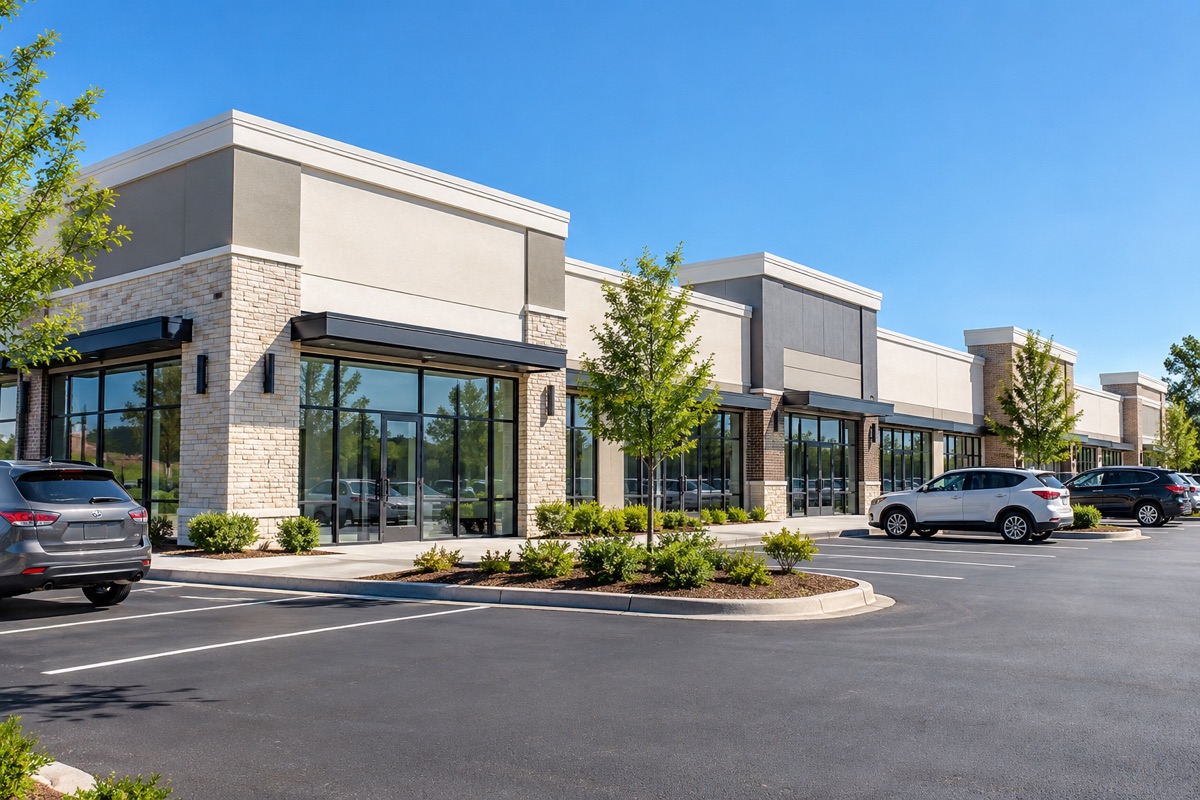
Retail
Tenant credit, guarantees, remaining term, and store performance, screened for single-tenant net-lease buyers.

Industrial
Tenancy, lease terms, building specs, and location, screened for small-bay and single-tenant buyers.

Office
Occupancy, lease rollover, tenant credit, and submarket vacancy, so you know which office deals still work.

Your asset class
Buy something else? We build Trent's rubric around it.
- Multifamily
- Mobile home parks
- Hotel
- Self storage
- And more
Your standards, built in
We tune Trent to how you underwrite, then keep tuning it as you react to live deals.
What we will never do
- Share your deals, rubric, or documents with another customer.
- Train AI models on your data.
- Use your deal feed to find deals for anyone else.
- Keep your data from you. You own it and can export it any time.
Built by real estate investors for our own deals
We buy commercial real estate ourselves. We built Trent to screen our own deal flow, because nothing on the market did first-pass screening for the net-lease, industrial, and office deals we buy.
Now we offer it to other buyers who have more listings than hours.
Questions buyers ask
What is Trent?
Trent is deal discovery and first-pass screening software for commercial real estate buyers. It finds listings that match your buy box, researches them, and scores each one against your rubric. Think of it as PhD-level analysis at a fraction of the cost and time of a human analyst.
Which asset classes does Trent cover?
Trent is built for net-lease retail, industrial, and office deals, and also covers multifamily and mobile home parks. Each asset class has its own scoring rubric.
Does Trent need an offering memo?
No. Trent screens from listing data and web research, and it uses offering memos and other documents when you have them.
Can I add documents after a deal is scored?
Yes. Send supplemental information, such as an updated offering memo or leases, and Trent updates the analysis and the score.
How is Trent different from underwriting software?
Underwriting tools start once you have picked a deal and have its documents. Trent works earlier, on the hundreds of listings you have not looked at yet.
Is my data shared with anyone?
No. Each customer's deals, rubric, and documents are kept separate, and we never train AI models on them.
How much does Trent cost?
Pricing depends on the asset classes you buy and your deal volume. We walk through it on the demo call.
How do I get started?
Book a demo. We show Trent on real listings in your market and talk through a paid pilot tuned to your rubric.
See Trent on listings in your market
Thirty minutes. Bring a deal you already know the answer to and watch how Trent scores it.